If you have fatty liver disease, the question that tends to keep coming back is not simply whether the liver can “heal.” It is whether liver inflammation can be reversed, and how you can tell the difference between improvement you can feel and improvement that actually shows up in the liver.
In 2026, the most practical answer is this: liver inflammation from fatty liver disease is often reversible, especially when the drivers are addressed early and consistently. But reversibility is not automatic, and it is not the same thing as “normalizing everything overnight.” What matters is whether the inflammatory process is still active, whether fibrosis risk is rising, and whether your plan targets the specific mechanisms that are keeping inflammation turned on.
What follows is how clinicians and experienced practitioners typically think about healing liver inflammation in real life, and what you can do to make reversibility more likely.
What “reversible liver inflammation” really means in fatty liver disease
Fatty liver disease is not a single uniform condition. In real-world practice, we see a spectrum, from fat buildup with minimal inflammation to ongoing inflammation with increasing risk of scarring.
When people say “reverse fatty liver inflammation,” they usually mean two related outcomes:
Inflammation quiets down. That is the liver’s immune and stress response calming. Liver injury slows and architecture stabilizes. This matters because inflammation and scarring are linked, but they are not identical. A liver can look better in one dimension while another risk marker still needs attention.A helpful way to think about it is like this: fat accumulation can be a starting point, but persistent inflammation is the part that often determines whether things keep worsening. Inflammation is driven by metabolic stress, oxidative damage, immune signaling, and ongoing fat-related liver cell stress. If you remove or reduce those drivers, the liver has a strong capacity to adapt.
Where people get disappointed is when they expect a test to flip in a week or a symptom to vanish immediately. Liver healing is slower than, say, cholesterol changes. It is also variable. Some people improve quickly, while others need more time because they are battling ongoing triggers, not just old damage.
A lived reality: “My numbers improved, but I didn’t feel it”
I have seen patients whose ALT and AST drifted down after lifestyle changes, yet they were still told fibrosis risk remained. That is not a failure. It often reflects the timeline mismatch. Inflammation can improve before scarring fully stabilizes, or scarring can lag behind inflammatory markers. The most accurate approach is to track trends and combine biomarkers with imaging or fibrosis assessment rather than relying on one value or one day’s symptoms.
How to tell if liver inflammation is actually backing off
The big challenge is that liver inflammation is not something you can reliably “feel.” Fatigue, heaviness, or vague discomfort can happen, but they are not specific. That is why the question “can liver inflammation be reversed” has to be answered through monitoring, not guessing.

In practice, the best indicators tend to cluster into three buckets: blood markers, fibrosis risk assessment, and imaging trends.
Blood markers and the limits of relying on them
ALT, AST, and other liver enzymes can move with changes in inflammation. But they can also stay normal even when inflammation is present. In other words, normal labs do not guarantee the liver is calm.
Still, a downward trend after consistent changes can be a meaningful sign. If enzymes rise repeatedly, persistently, or without a clear explanation, that is a cue to intensify the strategy or reassess adherence and triggers.
Fibrosis risk assessment is the safety compass
When people hear “reversible,” they often focus on inflammation alone. But the stakes in fatty liver disease are partly about progression risk. Fibrosis reflects longer-term injury patterns. Even if inflammation is reversing, worsening fibrosis risk means the liver still needs better protection.
Clinicians often use noninvasive risk tools and elastography or other modalities to estimate fibrosis stage over time. You do not need to obsess over every number, but you do want a plan that tracks whether risk is trending down or stabilizing.
Imaging can show momentum, but timelines matter
Ultrasound is common, but it is not the most sensitive tool for subtle changes. More detailed imaging and elastography can provide clearer signals. The key is consistency. If you change multiple variables at once, it becomes harder to interpret what helped. If you keep the plan steady, trends become easier to read.
What helps liver inflammation recover in 2026: targets that matter
If you want reverse your fatty liver inflammation approach to be more than generic advice, you need to target the mechanisms that keep the inflammatory loop active.
The strongest “inflammation reducers” in fatty liver disease usually involve metabolic correction and habit structure. That includes weight management, insulin sensitivity improvement, and reducing the kinds of dietary patterns that keep liver fat production and stress elevated.
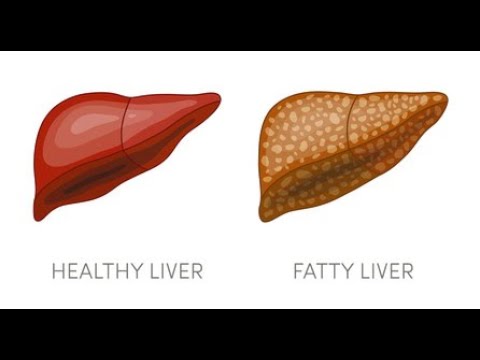
Practical targets that typically drive improvement
Here are the levers that most often correlate with healing liver inflammation when used consistently:
- Sustained calorie reduction and weight loss (even modest, when maintained) Improved insulin sensitivity through diet structure and activity Replacing refined carbohydrates with higher fiber, minimally processed foods Reducing alcohol when present, or avoiding it if inflammation risk is elevated Consistent physical activity, including resistance training for glucose control
You will notice the theme: metabolic stress reduction. Supplements can be discussed case by case, but the foundation is what changes the liver’s ongoing fuel and inflammatory signaling.
The trade-off most people miss: “too aggressive, too fast”
Many readers have tried dieting before. The common failure pattern is extreme restriction that cannot last, followed by rebound eating and intermittent compliance. Liver inflammation does not respond well to whiplash.
In 2026, the more professional approach is to build a plan you can execute 80 percent of the time. If you aim for perfection, you often end up negotiating with yourself daily. If you aim for consistency, you give the liver what it needs: steady reductions in liver stress, not sporadic improvements.
A concrete example: the “two-week audit” that usually clarifies the plan
One thing that helps clients is a short audit rather than endless meal changes. For two weeks, you track: - portions that contribute the most refined carbs, - alcohol intake (if any), - and total activity time.
After that, the plan becomes simpler. You might keep breakfast the same but change lunch and dinner carbs. You might add a short walk after meals rather than trying to overhaul everything at once. The goal is to reduce liver inflammation drivers without creating a new stressor that derails you.
When reversibility is less straightforward: edge cases and caution signals
“Reversible” does not mean “always.” Some situations make healing slower or require deeper medical coordination.
Less straightforward scenarios you should not ignore
- Persistent elevations in liver markers despite a solid lifestyle plan High risk of fibrosis based on noninvasive assessment Uncontrolled diabetes or severe insulin resistance Medication effects that may be contributing to liver injury Ongoing alcohol use that continues to challenge the liver
If you recognize any of these, the professional move is to work with your clinician on a targeted plan. You can still be proactive, but you should not assume that willpower alone can outpace ongoing drivers.
Medication and other factors: do not guess
Many people want to “figure it out” by changing supplements and diets repeatedly. That can create confusion. If you are on glucose-lowering medications, cholesterol medications, or have other health conditions, it is worth discussing with your healthcare team whether adjustments are appropriate. The liver’s response is intertwined with the whole metabolic picture.

Building a reverse fatty liver inflammation plan you can sustain in 2026
This is where real outcomes are made. You do not just want a plan that sounds good. You want one that protects consistency, reduces uncertainty, and makes progress measurable.
A structured approach without overcomplication
You can think of your plan as three layers: food pattern, activity pattern, and monitoring cadence.
First, choose a food structure that reduces refined carbs and increases fiber and protein. Second, add activity you can repeat, including resistance work if you are able. Third, schedule monitoring that matches the liver’s timeline, so you are not constantly chasing noise.
If you want a simple starting point, here is a practical framework many patients do well with:
- Pick one main dietary change you can maintain daily Add movement after meals (short, repeatable walks work well) Strength train 2 to 3 times weekly if medically appropriate Track trends using follow-up labs and fibrosis assessment Review adherence when results stall for 8 to 12 weeks
That last item matters. Stalls happen. They do not automatically mean the approach is wrong. Often they mean the plan is not sticking in the way you think it is, or another driver is still present.
How to measure healing liver inflammation without obsession
Progress is best judged by combined signals, not a single weekly win. If liver inflammation is backing off, you typically see a pattern: improving labs over time, better fibrosis risk markers, and consistent reductions in metabolic stress. Symptoms, when they improve, often follow those internal shifts, not always in front of them.
Reverse Your Fatty Liver Program reviews 2026If you are asking, “Is liver inflammation reversible?” in 2026, the most grounded answer is yes for many people with fatty liver disease, especially when inflammation is addressed through consistent metabolic change and monitored with the right tools. The most useful next step is to turn that belief into a plan you can execute and review over time.
And that is the real difference between hoping for liver inflammation recovery and actually building it.